S, M, L, XL Size in Number for Shirt: Choose the Right Fit for Yourself
Have you ever found yourself confused about clothing sizes while shopping online or in a store? You see S, M, L, and XL on the labels, but what do these letters actually mean? In fashion and styling, size is not just a number - it’s the key to looking good and feeling confident. Wearing the right fit can make you look sharper, taller, and more stylish. Choosing the right size can sometimes feel confusing, especially when different brands follow different sizing standards. The good news is that understanding these sizes is easier than you might think. S stands for Small, M for Medium, L for Large, and XL for Extra Large, but each size corresponds to specific body measurements that can help you find the right fit. In this guide, we will break down what S, M, L, and XL mean in numerical sizes, explain how measurements can vary between brands, and help you choose clothes that fit comfortably and confidently.
S, M, L, XL Size in Number: Understanding the Basics
Sizes are generally divided into Small (S), Medium (M), Large (L), and Extra Large (XL). But what do these mean in actual numbers? Usually, they refer to chest and waist measurements in inches or centimetres. For example, in India, a Medium size t-shirt might fit a chest size of 38-40 inches, but in some European brands, Medium could be different. That’s why you should always check the brand’s size chart before buying.
S Size in Number for Men
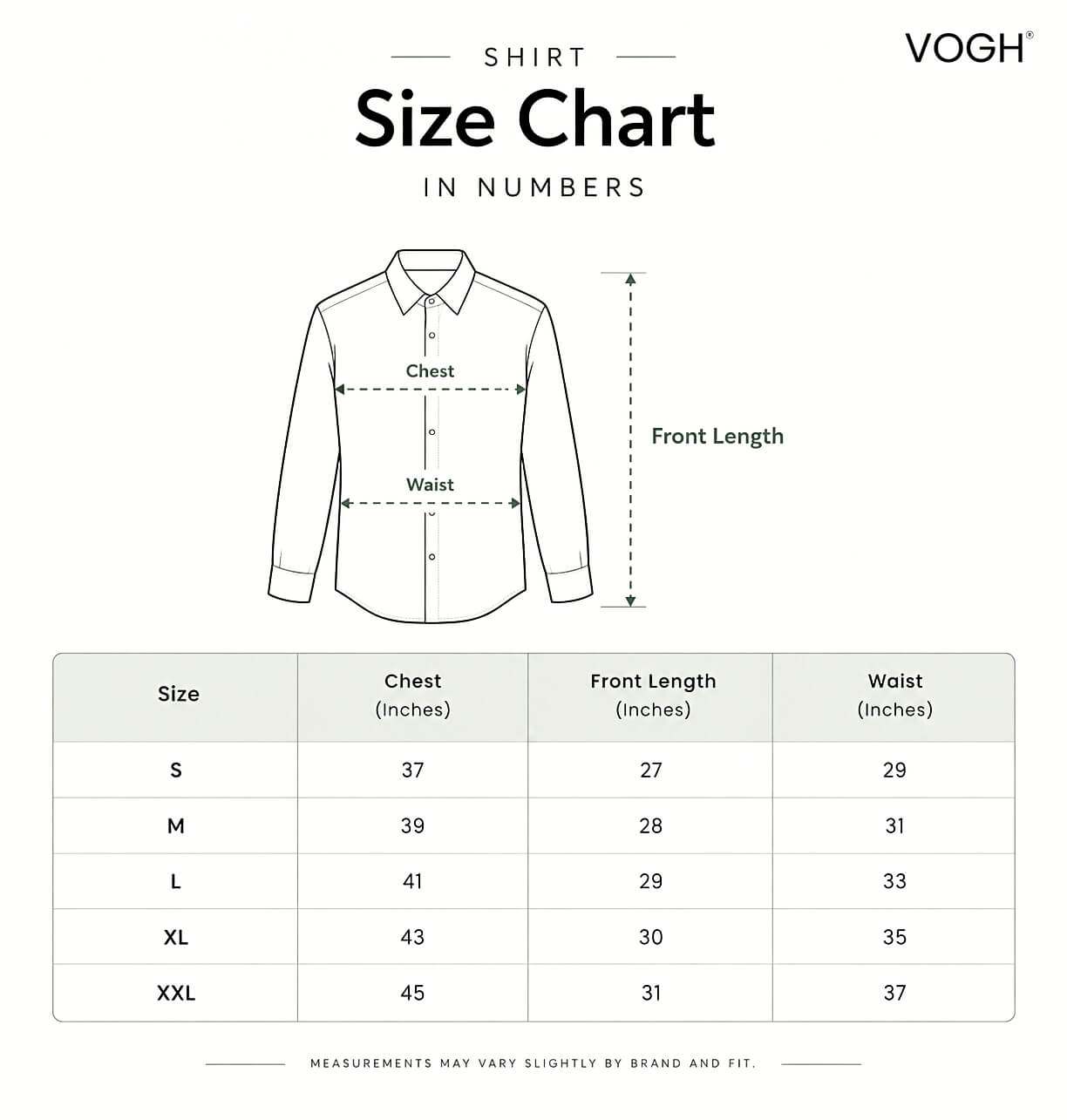
Chest: 37 inches, Waist: 31 inches
S size is ideal for men with a slimmer or lean body build. If you are on the shorter side or have a narrow frame, this size will give you a neat, fitted look. Style tip: Try layering with jackets or overshirts to add more depth to your outfit. A well-fitted small-sized t-shirt with slim-fit jeans can make you look sharper and more proportionate.
M Size in Number for Men
Chest: 39 inches, Waist: 33 inches
Medium size is the most common fit for men in India. It suits average height and build, giving you the flexibility to wear both slim-fit and regular-fit clothes. If you fall in between small and large, M size can be your safest choice. Style tip: Medium frames can easily experiment with colours and prints. Pair your M-size t-shirts with chinos for a smart casual look, or with denim for a relaxed weekend style.
L Size in Number for Men
Chest: 41 inches, Waist: 35 inches
L size is perfect for men with broader shoulders, taller height, or an athletic build. If you have a muscular upper body, this size will give you comfort without looking tight. Style tip: Go for modern shirts to highlight your frame. Balance your outfit with straight-cut or slim-fit trousers so the proportions look even. Avoid overly loose clothes, as they can make you look bulkier than you are.
XL Size in Numbers for Men
Chest: 43 inches, Waist: 37 inches
XL size is for tall men, men with larger frames, or those with a more muscular build. This size offers more room and comfort, but you should still look for cuts that keep your outfit streamlined. Style tip: Vertical stripes and darker colours can make you look taller and slimmer. Avoid very baggy t-shirts or shirts, as they can hide your shape. Choose fabrics that drape well instead of stiff materials.
| Size | Chest (Inches) | Front Length (Inches) | Waist (Inches) |
| S | 37 | 27 | 29 |
| M | 39 | 28 | 31 |
| L | 41 | 29 | 33 |
| XL | 43 | 30 | 35 |
| XXL | 45 | 31 | 37 |
Buy Combo Shirts for Men Online
How to Measure Yourself for the Perfect Fit
Before buying any clothing, it’s important to measure yourself correctly. All you need is a measuring tape, a mirror, and ideally, someone to help you.

- Chest: Wrap the tape around the fullest part of your chest, keeping it straight across your back.
- Waist: Measure around your natural waistline, which is just above your belly button.
- Shoulders: Measure from one shoulder seam to the other, across your back.
- Sleeve Length: Start from the shoulder point and measure down to your wrist bone.
By keeping these measurements handy, you can easily check brand size charts and avoid wrong purchases.
Pro Tips to Always Get the Right Size When Shopping Online
- Check the Size Chart: Every brand has its own measurements for S, M, L, and XL.
- Read Reviews: Many customers mention whether the clothing runs smaller or larger.
- Look for Return/Exchange Policy: This ensures you can easily swap sizes if needed.
- Know Your Fabrics: Cotton may shrink slightly after washing, while polyester blends usually maintain their size.
Final Words
Finding the right size is not about following trends – it’s about wearing what fits you. Clothes that fit well make you feel comfortable, look stylish, and boost your confidence. Whether you are an S, M, L, or XL, the best size for you is the one that complements your body shape and makes you feel good in your own skin. Remember, fashion is about expressing yourself - and a great fit is the first step to doing it right.
Frequently Asked Questions
- What does S, M, L, and XL mean in clothing sizes?
- Why do clothing sizes vary between brands?
- Is XL the same as size 42?
- Are S, M, L, and XL sizes the same for men and women?